 Food
Madridbet güncel giriş: How Wine Bars and Restaurants Build…
Madridbet güncel giriş: How Wine Bars and Restaurants Build Trust Online
Anyone who runs a hospitality business knows that the digital front door matters as much as the physical one. A wine bar in Celebration, Florida, and a platform like Madridbet güncel giriş share a surprisingly similar challenge: people need to find the current, working way in before they can enjoy anything inside. That is why the phrase “güncel giriş,” which means “current entry” or “updated login,” has become such a common search in the Turkish-speaking online world. It signals a user who wants a fresh, reliable access point rather than an outdated link. In this article, we look at what that search behavior teaches food and beverage venues about trust, clarity, and keeping information current — and how a well-structured wine program can apply the same lessons.
Why “Güncel Giriş” Searches Matter to Any Online Brand
When a user types “güncel giriş” into a search engine, they are not browsing casually. They are looking for something specific: the most recent, functioning entry point. Old links expire, domains change, and mirror addresses rotate. The user knows this and searches for the current version. That behavior is a signal of intent — the person already knows what they want and simply needs the correct door.
For a restaurant or wine bar, the equivalent is a menu that is always accurate. If a guest arrives expecting a wine that was removed three months ago, the experience starts with friction. If the website says the kitchen closes at 10 p.m. but it actually closes at 9 p.m., trust erodes instantly. In both cases, the fix is the same: keep public information synchronized with reality. The same discipline that makes a Cryptobet güncel giriş page useful — being the single, correct, up-to-date destination — is what makes a wine list useful to a diner standing at the bar.
The Parallel Between Updated Access and an Updated Wine List
A wine program is never static. Bottles sell out, vintages change, distributors swap allocations, and seasonal preferences shift. A list of over 80 wines by the glass sounds impressive, but only if the list reflects what is actually poured tonight. The moment a guest orders a glass of a wine that no longer exists, the credibility of the entire program is questioned.
This is where the philosophy behind deneme bonusu veren siteler 2026 searches overlaps with hospitality operations. Users want clarity about what is currently available, not what was available last year. A wine bar that updates its by-the-glass selection weekly, reprints the list when a region sells out, and trains staff on substitutions is effectively running the same playbook: always present the current, accurate version.
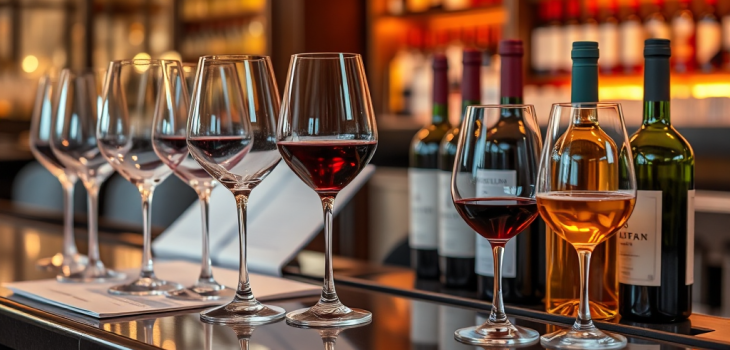
Consider how a guest experiences a well-maintained list. They see red, white, sparkling, and dessert wines organized clearly. They notice regions they recognize — Europe, California, South America, Australia — and maybe one they do not. They ask a question, and the answer matches the printed page. Nothing is contradicted. That consistency is the quiet foundation of repeat business.
Building a Beverage Program That Feels Current
Staying current does not mean chasing every trend. It means maintaining a program that responds to what guests actually order while preserving a clear identity. Here are practical ways a wine bar or restaurant keeps its beverage offering feeling fresh:
1. Rotate by-the-glass selections with intention. A large by-the-glass program is an asset, but rotation should follow logic. If a white from a cool European region is selling quickly, consider a second expression from the same area before jumping to a completely different continent. Guests appreciate a coherent story.
2. Keep bottled beer and wine cocktails in the conversation. Not every guest wants wine, and a strong beverage program acknowledges that. A curated bottled beer selection and a small set of wine cocktails give the bar flexibility without diluting its identity. A sparkling wine cocktail or a fortified wine aperitif can bridge the gap for guests who are curious but not yet committed to a full glass.
3. Train staff on the current list, not the old one. The most common source of outdated information is a server who memorized last season’s list. Short pre-shift tastings and a one-page update sheet solve this cheaply.
4. Treat the digital menu as a living document. If the website shows a wine that is no longer poured, the guest arrives with a false expectation. Update the online list as often as the printed one.
What Food and Wine Venues Can Learn From Search Behavior
Search behavior reveals what people value. When someone searches for a current entry point, they are expressing three needs: accuracy, speed, and confidence. They want the right link, they want it fast, and they want to trust it before they click.
A diner choosing a wine bar has the same three needs. They want an accurate menu, a quick way to understand it, and confidence that the recommendation will be good. The venue that meets all three becomes the default choice. The venue that meets only one — say, a beautiful room but an outdated list — loses the guest to a competitor that is simply easier to trust.
This is why clarity in naming matters too. A section called “Wines by the Glass” is instantly understood. A section called “Curated Pour Selections” might be elegant, but it adds a step of interpretation. The best hospitality communication, like the best search result, removes friction rather than adding it.
Regional Diversity and the Modern Wine Drinker
Today’s wine drinkers are more adventurous than a generation ago, but they are also more informed. They may know a European appellation, a California sub-region, a South American valley, and an Australian zone — and they may want to compare them in a single sitting. A program that spans these regions gives guests a reason to return, because there is always something new to try without leaving the familiar format.
Dessert wines deserve special attention here. They are often the most neglected category on a list, yet they can be the most memorable part of a meal. A well-chosen dessert wine, served in the right glass at the right temperature, turns a good dinner into a story the guest tells later. That story is free marketing, and it only happens when the list is current enough to include the bottle.
Practical Checklist for Keeping Hospitality Information Fresh
Whether you manage a wine bar, a restaurant beverage program, or any online service with a public access point, the maintenance routine is similar:
Weekly: Confirm which by-the-glass wines are still available and which need substitution. Check that the online menu matches the printed one.
Monthly: Review the bottled beer selection and wine cocktail list for seasonality. Remove anything that has not sold in a reasonable window.
Quarterly: Reassess regional balance. If Europe dominates but guests keep asking about South America, adjust. If sparkling wine is under-represented, consider adding one accessible option by the glass.
Annually: Step back and ask whether the program still reflects the venue’s identity. A wine bar should feel like itself, only better, each year.
FAQ
What does “güncel giriş” mean?
It is a Turkish phrase meaning “current entry” or “updated login.” People use it when searching for the most recent, working access link to an online platform, because older links sometimes stop functioning.
Why do online platforms need updated entry points?
Domains, mirror addresses, and access links can change over time. An updated entry point ensures users reach the correct, functioning destination instead of an expired one.
How is this relevant to a wine bar or restaurant?
The underlying principle is the same: public information must stay accurate. A wine list that shows bottles no longer available creates the same frustration as an expired link. Keeping menus current builds trust.
What should a good wine list include?
A balanced list typically includes red, white, sparkling, and dessert wines, with representation from multiple regions such as Europe, California, South America, and Australia. Bottled beer and wine cocktails can round out the beverage program.
How often should a by-the-glass wine list be updated?
Availability should be verified weekly, with seasonal reviews monthly or quarterly. The goal is to ensure that what is printed or published matches what is actually poured.
Final Thoughts
The search for a current entry point is really a search for reliability. Users want to know that the link they click will work, just as diners want to know that the wine they order will be poured. Hospitality businesses that treat their public information as a living, maintained asset — from the online menu to the printed list to the recommendation a server gives at the table — earn something more valuable than a single visit. They earn the assumption of competence, which is the foundation of loyalty. Whether the context is a wine bar in Celebration, Florida, or a platform users reach through a fresh access link, the principle holds: stay current, stay clear, and the right people will find their way in.